Image Credit: Unsplash
Hi lovelies,
A natural-looking smile transformation often comes from small, carefully planned changes. Modern cosmetic dentistry can address chips, uneven edges, discoloration and minor spacing while keeping the result in harmony with your face. The best treatment plan also respects healthy tooth structure and supports everyday comfort.
Before choosing a procedure, think about the specific detail you want to change. Bring a few clear photos to your consultation and explain what feels natural to you. You can also review these easy tooth appeal tips before your appointment to separate simple care habits from concerns that require professional treatment.
The Shift Toward Conservative Dentistry
Conservative dentistry focuses on achieving a visible improvement while retaining as much healthy tooth structure as possible. A small chip, for example, may only require carefully placed composite material instead of more extensive treatment. Minor contouring or whitening may also resolve a concern without changing the whole tooth.
Materials influence what a dentist can accomplish. A provider may select OMNICHROMA FLOW composite for direct anterior or posterior restorations, cavity bases or liners and certain porcelain or composite repairs. Its one-shade design is intended to help dentists match tooth shades efficiently while reducing the need to stock numerous composite shades.
Your dentist should still assess your enamel, bite and oral health before recommending any cosmetic change. Decay, gum inflammation or tooth grinding may need attention first.
How Dentists Match Natural Tooth Anatomy
Color is only one part of a convincing restoration. Dentists also examine translucency, surface texture, edge shape and the way light moves through neighboring teeth. Even natural teeth have subtle variations, so a flat block of uniform color can look less realistic than a carefully layered or polished repair.
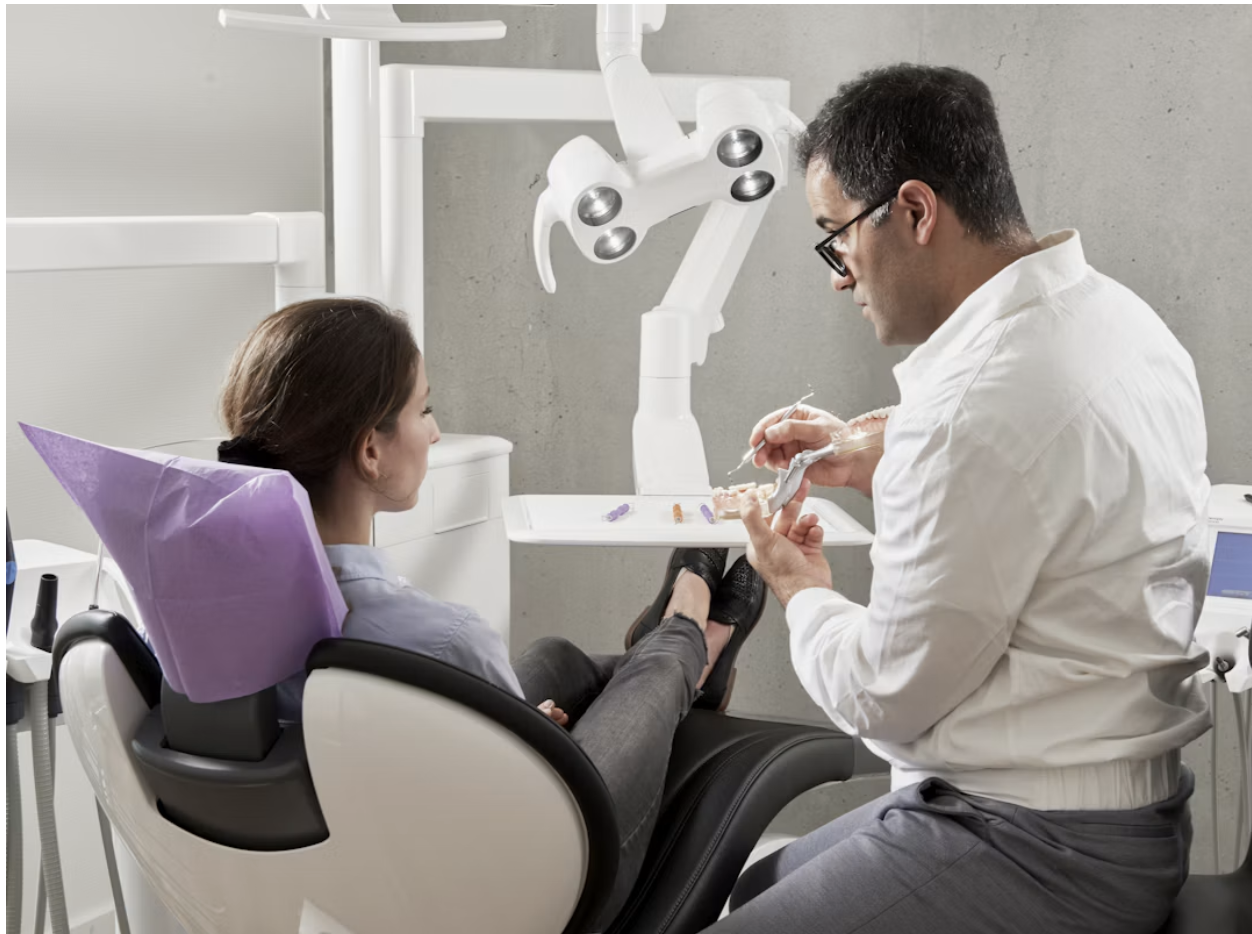
The process often begins with photos and a shade assessment under neutral lighting. Your dentist may also evaluate your smile while you speak, since tooth length and edge position can affect facial expression. Guides to natural-looking cosmetic results explain why facial proportions and existing tooth features matter alongside shade.
Ask to review the planned shape before final polishing. For work on a front tooth, a small adjustment to an edge or surface contour can make the restoration blend more naturally.
Preserving Healthy Enamel in Modern Treatments
Enamel doesn’t regenerate after it has been removed, which makes treatment planning especially significant. Ask how much natural tooth structure a proposed procedure requires the dentist to alter. Bonding may suit a minor chip or narrow gap, while veneers or crowns may be recommended for different structural concerns.
A conservative option still needs ongoing care. Composite restorations can stain or wear over time, and whitening treatments may change natural teeth without changing the color of existing restorations. A lasting smile makeover guide can help you consider maintenance before committing to treatment.
Daily habits matter too. Use a soft-bristled toothbrush, clean between your teeth and avoid using your teeth to open packages. If you clench or grind at night, ask whether a protective appliance could reduce stress on teeth and restorations.
Questions to Ask at Your Next Consultation
A useful consultation should give you specific answers about treatment, upkeep and expected results. Take notes and ask to see examples involving concerns similar to yours. Images can help, but they shouldn’t be treated as a guarantee because every person’s teeth, gums and bite differ.
Consider asking:
How much healthy enamel will this option preserve?
What result is realistic for my tooth color and facial proportions?
How long does treatment usually take?
Will I need anesthesia or temporary restorations?
How should I maintain the result?
What could cause the restoration to chip, stain or need replacement?
You should also discuss cost before treatment begins, including possible repair or maintenance expenses. If the recommendation feels broader than the concern you originally raised, ask about simpler alternatives and the trade-offs involved.
A well-planned smile update should still feel like your smile when you leave the dental chair. Look for a dentist who explains the smallest suitable option, shows how the result will fit your natural anatomy and gives you a realistic maintenance plan.