Hi lovelies,
Cafe supplies wholesale was a phrase I used to skim past, right up until a regular asked me a question I could not answer.
She held up her takeaway lid and said, "Where does this end up after I'm done?"
I opened my mouth and realised I had no idea.
I knew the coffee's farm.
I knew my milk supplier by name.
But the mountain of cups, lids, and packaging passing through my hands every day was a complete blind spot.
That one question sent me down a path that reshaped how I stock my entire café.
The Blind Spot Behind the Counter
We obsess over what goes into the cup.
Origin, roast, brew time, latte art.
Meanwhile, the cup itself, the napkin, the stirrer, and the bag all get bought on autopilot.
I had been ordering the cheapest disposable everything for years.
It never occurred to me that those choices said something about my values.
My customer's question changed that overnight.
What "Greener" Actually Means
Greener does not mean perfect, and I want to be honest about that.
It means looking at every single-use item and asking if a better version exists.
Compostable instead of plastic-lined.
Reusable instead of throwaway.
Recycled content instead of virgin material.
When I finally audited my cafe supplies wholesale order, I was shocked at how many swaps were sitting right there, waiting.
Better cups, sturdier reusables, packaging that broke down instead of lingering for centuries.
The greener option was rarely the expensive option I had assumed it to be.
Why Buying in Volume Helps the Planet
Here is something that surprised me.
Sustainable choices and smart sourcing actually reward each other.
Ordering eco-friendly goods in larger, planned quantities cuts down on packaging and repeat deliveries.
Fewer small shipments mean fewer trucks, less cardboard, and a smaller footprint per item.
One Big Order Beats Ten Small Ones
I used to reorder tiny boxes every week without a thought.
Each one arrived wrapped, boxed, and driven across town separately.
When I consolidated into planned bulk runs, the waste from packaging alone dropped sharply.
My greener café supplies were not just better products.
They arrived in a greener way, too.
That double win made the switch feel obvious rather than sacrificial.
The Customer Response I Did Not Expect
I assumed sustainability was a quiet, behind-the-scenes thing.
I was wrong.
People noticed almost immediately.
Values Customers Can See
When I swapped to compostable packaging and reusable cup options, regulars started commenting.
One told me she chose my café over a closer one specifically because of it.
A dad mentioned he was teaching his kids about waste and wanted to support places that tried.
My eco-friendly choices became a reason to walk through my door, not just a cost on my books.
I had accidentally turned my supply cupboard into a marketing asset.
Sorting the Genuine From the Greenwash
Not every "eco" label is honest, and I learned to be skeptical.
Some products slap a green leaf on the box and change nothing inside.
I started asking suppliers blunt questions.
What is this actually made of?
How does it break down, and under what conditions?
Is the reusable version built to last years or weeks?
Look for Proof, Not Promises
A trustworthy wholesale partner answers those questions without flinching.
They send specs, certifications, and honest limits.
If a supplier dodges or drowns me in vague buzzwords, I move on.
Real sustainability survives a few hard questions.
Marketing fluff does not.
That filter saved me from buying feel-good products that did nothing.
Building a Greener Order Step by Step
I did not overhaul everything in one panicked weekend.
That would have been expensive and overwhelming.
Instead, I tackled one category at a time.
Start With Your Biggest Waste
Cups were my heaviest single-use item, so I started there.
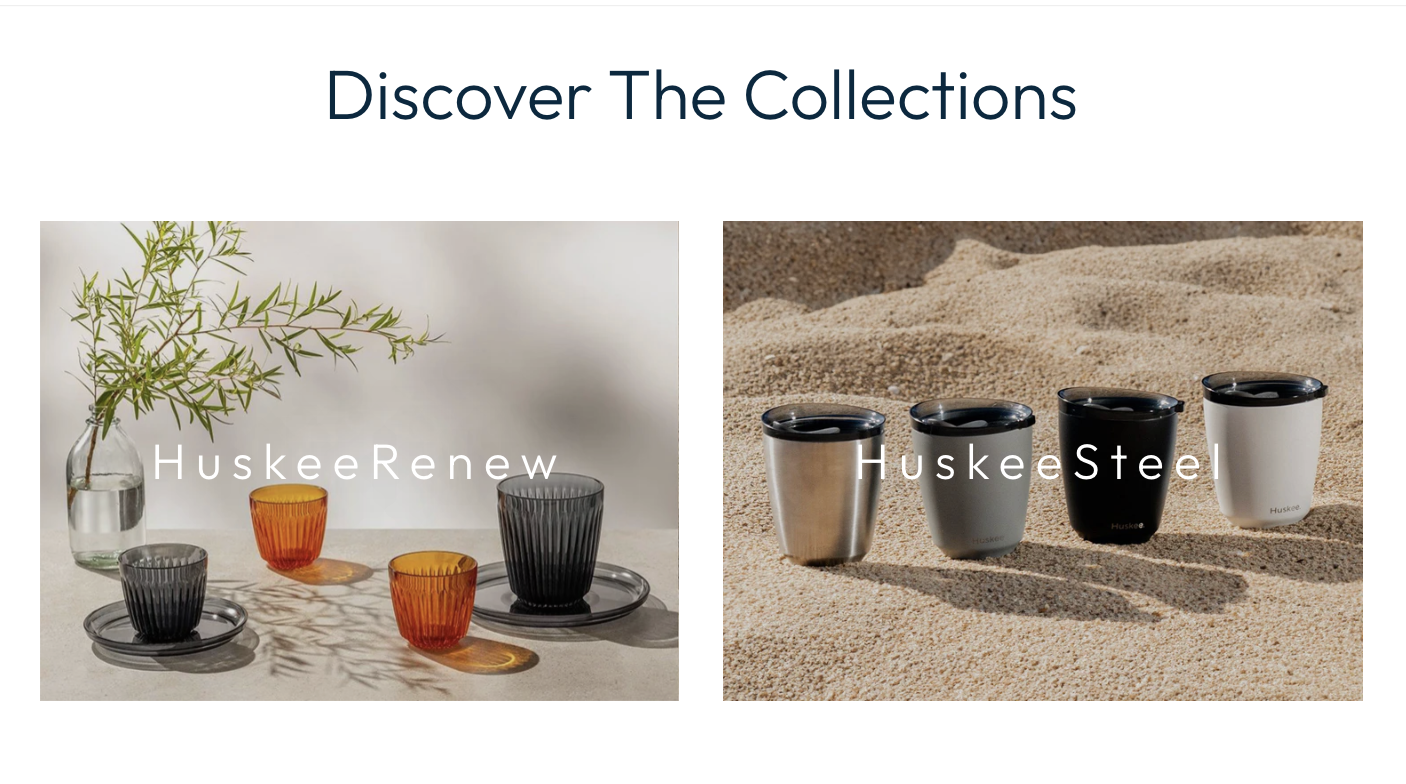
I introduced durable reusable options and offered a small discount for bringing them back.
Once that was bedded in, I moved to packaging, then to the small stuff like stirrers and napkins.
Each swap was manageable on its own.
Stacked together over a few months, they transformed my footprint.
Slow and steady beat, trying to be perfect on day one.
The Numbers Made Sense Too
I worried greener would simply mean pricier.
Some items did cost a little more per unit.
But the reusables paid for themselves through loyalty and repeat visits.
The consolidated ordering trimmed my delivery fees and packaging waste.
Sustainability and Savings Can Coexist
When I tallied it all at the end of a quarter, I had not lost money.
I had shifted spending toward things that lasted and things customers valued.
My margins held steady while my conscience felt lighter.
That balance is the part most owners do not believe until they try it.
You do not have to choose between a healthy till and a healthier planet.
The Lesson From One Honest Question
That customer who asked where her lid ended up still comes in.
I told her, months later, that her question had changed how I run the place.
She just smiled and said she had wondered if anyone was listening.
I was, eventually.
Stocking a greener café is not about grand gestures or perfect purity.
It is about looking honestly at every item that passes through your hands.
Source smarter, buy in planned volumes, demand proof from your suppliers, and swap one category at a time.
Your customers will notice, your waste will shrink, and your books will stay healthy.
Start with the thing you throw away most.
I could not answer the question.
Your café, and the person holding that cup, will both be better for it.