Hi lovelies,
Lapel style is one of those quiet decisions that shapes everything else about a suit's personality. Get it right, and the suit looks intentional from across the room. Get it wrong, and even the finest fabric and perfect fit can't save the overall impression. If you've ever stood in a custom suit showroom wondering whether to go notch, peak, or shawl, you're not alone in that uncertainty.
The answer isn't simple. It depends on the occasion, your body type, the suit's formality level, and what resonates with you personally. This article walks through each lapel type, explains when each works best, and gives you the context to make a confident decision before your first fitting.
The Three Lapel Types and What Sets Them Apart
Understanding what each lapel actually looks like is the foundation for any decision about which suit to commission. Each of the three standard lapel styles carries a distinct silhouette, historical association, and suitability range, and most tailors of custom suits near you will expect you to arrive with at least some familiarity about these options before your consultation begins. Knowing the difference between them isn't trivial; it's the first real step toward a suit that fits your life as well as your body.
Notch Lapels: The Default for Everyday Business
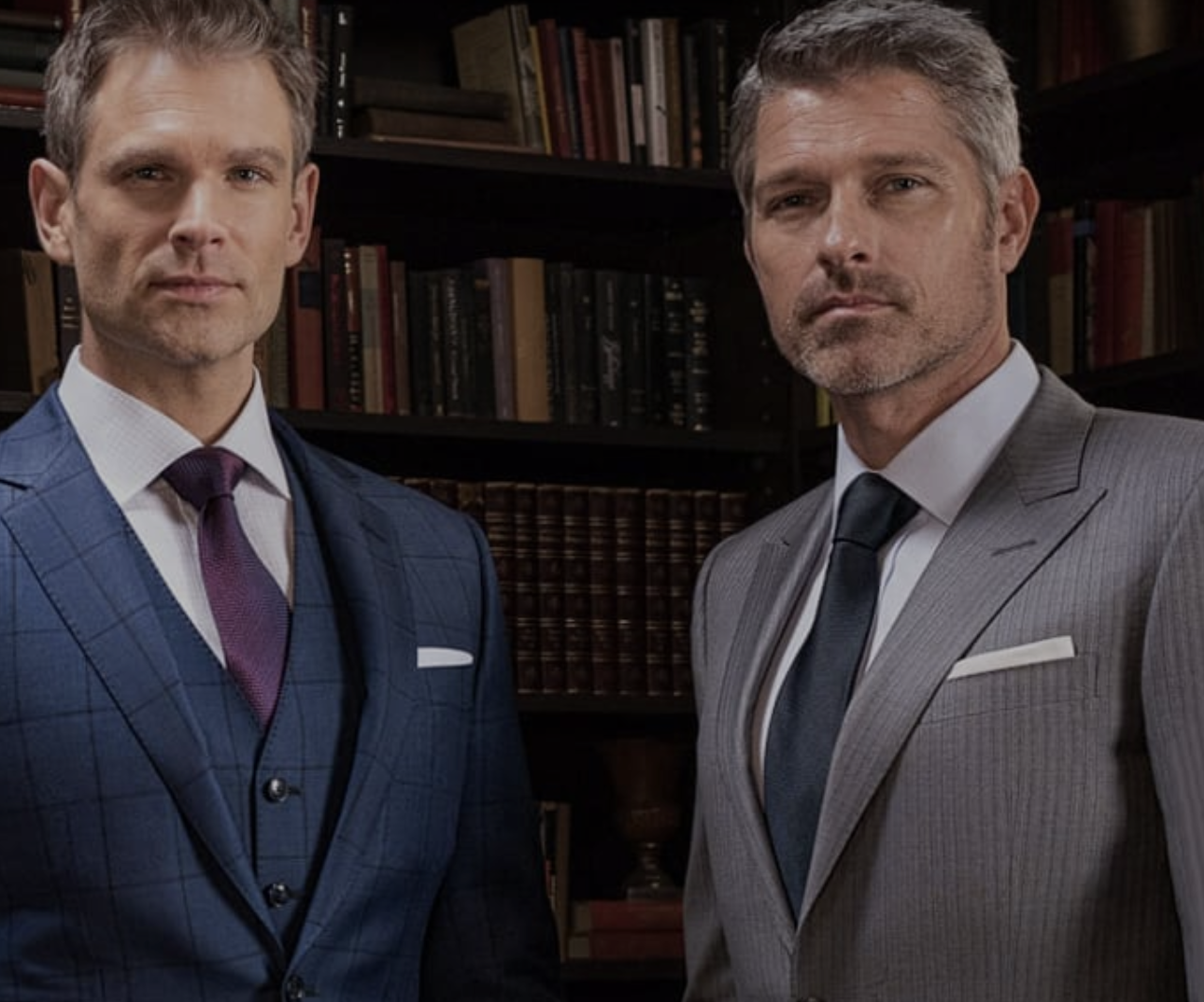
The notch lapel is the most common style in men's suiting. There's a straightforward reason for that. It features a triangular cutout where the collar meets the lapel, creating a clean "V" shape on each side. This notch sits at roughly the same level as the collar roll and gives the jacket a relaxed, approachable quality; it translates well across professional settings. Business meetings, casual Fridays, job interviews, weekday dinners; notch lapels carry all of these without effort.
Here's the thing: the width of the notch lapel matters more than most people realize. A narrow notch on a slim-cut jacket reads modern and understated; a wider notch on a fuller cut reads classic and American. For most men ordering their first custom suit, the notch lapel is the least-risk choice. It's also arguably the most versatile option available.
Peak Lapels: Authority and Sharp Formality
Peak lapels point upward toward the shoulder. That single directional shift changes the entire feel of a jacket. The result is a suit that reads as more powerful and more formal. Double-breasted suits almost always feature peak lapels, but you'll see them on single-breasted jackets too, particularly in British tailoring traditions. Peak lapels suit broader shoulders well; they create a strong visual line that draws the eye up toward the face. They've anchored boardrooms, courtrooms, and formal events for generations.
And if you're ordering a custom suit for a job where presence and authority matter, or for a formal occasion that falls short of black tie, peak lapels deserve serious consideration. The catch is that they're harder to wear casually; a peak-lapel sport coat at a backyard party can feel overdone.
Shawl Lapels: Reserved for Formal Evening Wear
The shawl lapel is a continuous curved collar with no notch or break point; it rolls smoothly from the collar down to the button. It's almost exclusively associated with tuxedos and dinner jackets, and that association is so strong that wearing a shawl lapel in a daytime or business context reads as a costume rather than a suit. At a black-tie event, a shawl lapel tuxedo carries an ease and elegance that peak-lapel versions don't quite match. It's the more relaxed of the two formal options, and many men prefer it because it doesn't look as stiff as a peak-lapel tux.
So if you're ordering a custom tuxedo for a gala, a wedding, or another formal evening event, the shawl lapel deserves a close look. Outside of evening wear, treat it as a specialty item.
How Body Type Should Influence Your Lapel Choice
Lapel width interacts directly with body proportions. Ignore that relationship, and you'll end up making one of the more common mistakes in custom suiting. The right choice depends on the specific proportions you're working with.
Lapel Width and Shoulder Width
The general rule in custom suit making is that lapel width should roughly mirror tie width, and both should stay proportionate to shoulder width. Broad shoulders can carry wider lapels without looking unbalanced; narrow shoulders look better with slimmer lapels that don't overwhelm the frame. A very wide lapel on a narrow-shouldered man pulls attention to the lapel itself rather than creating a clean line. Conversely, a razor-thin lapel on a man with broad shoulders can look pinched and undersized. It's as if the suit wasn't cut for his frame. The sweet spot for most body types lands between 2.75 and 3.25 inches, but a master suit maker will adjust this to your measurements.
Height, Torso Length, and the Visual Effect of Lapel Angle
Taller men with longer torsos have more visual real estate to work with. This means they can carry peak lapels and wider notch lapels with ease. Shorter men often find that peak lapels, with their strong upward angle, actually work in their favor by drawing the eye vertically and adding apparent height. A notch lapel on a shorter man should sit higher rather than low on the chest; it'll avoid visually shortening the torso.
These aren't hard restrictions. They're proportional guidelines that a skilled suit maker applies during the pattern-cutting stage. If you're unsure how your body type interacts with lapel angle, ask your suit maker to show you examples on similar frames before committing to a direction.
Matching Lapel Style to Occasion and Suit Formality
Occasion often provides the cleaner answer to how do you choose the right lapel style for a custom suit. Formality levels map fairly predictably onto lapel types.
Business, Smart Casual, and the Notch Standard
For any suit worn in a professional or smart-casual environment, the notch lapel is the default. It signals competence without aggression, fits a wide range of tie widths, and ages well across fashion cycles. Even as lapel widths trend narrower or wider across a given decade, the notch lapel itself never goes out of style; only the width shifts. If you're building a wardrobe and commissioning your first custom suit, a medium-width notch lapel in a classic color like navy or charcoal is the safest and most adaptable starting point.
Weddings, Gala Events, and When to Go Peak or Shawl
Formal events give you permission to move beyond the notch. A peak lapel suit in a dark tone is appropriate for most formal daytime or evening events that stop short of black tie. For black-tie events, the shawl lapel tuxedo and the peak lapel tuxedo are both correct; your choice comes down to whether you prefer the smoother line of the shawl or the sharper authority of the peak. Morning coats for daytime formal events typically feature peaked or notch variants depending on the cut. The occasion sets the outer boundary; your personal style fills the space inside it.
Conclusion
Choosing the right lapel style comes down to three factors working together: the occasion you're dressing for, the proportions of your body, and the level of formality the suit needs to carry. Notch lapels cover most everyday and professional situations without effort. Peak lapels belong on formal suits and double-breasted jackets where a strong silhouette is the point. Shawl lapels are the domain of evening wear and deserve to stay there. Once you understand how do you choose the right lapel style for a custom suit, the decision stops feeling like a guess and starts feeling like a deliberate part of the design.